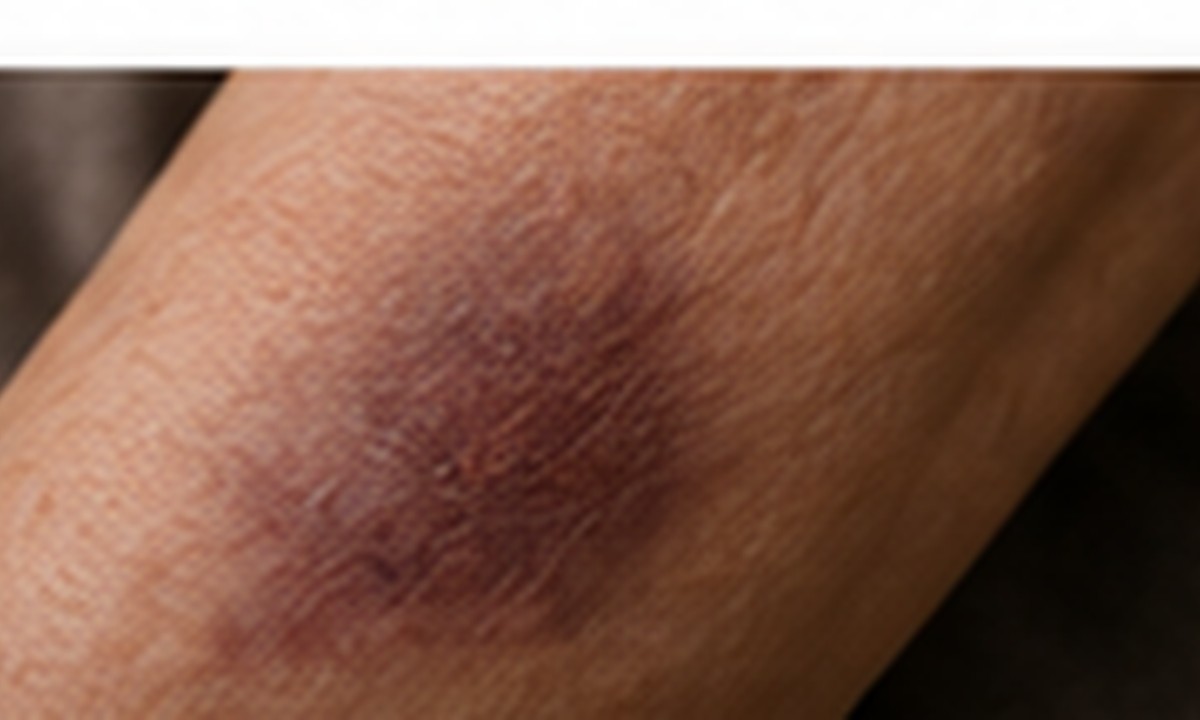
Physical Abuse
Physical Abuse in a Nursing Home: What Families Should Document
Learn what to photograph, which dates to record, and how to organize conversations with the facility and medical providers.
Why this issue deserves attention
When bruises, restraint marks, fractures, or unexplained injuries appear, careful documentation can matter. Families are often trying to understand several things at once: what changed, who knew about it, what the care plan required, and which records can explain the sequence of events.
Start with a factual timeline
Write down dates, names, observed conditions, symptoms, conversations, and what the facility said in response. A short factual timeline is usually more useful than a long narrative built from memory weeks later.
Records that may help
- Medical and hospital records related to the injury or condition.
- Care plans, medication lists, transfer notes, and incident reports.
- Photos, videos, messages, emails, and written facility communications.
- Names of staff members, visitors, roommates, or family members who observed relevant events.
Questions for a legal consultation
- Which records should be requested first?
- Are there deadlines that make quick action important?
- Who will review medical and facility documentation?
- How are case costs and attorney fees handled?
- What facts are still missing before anyone can fairly evaluate the matter?
This article is general information, not legal advice. Nursing-home abuse and neglect claims depend heavily on jurisdiction, medical facts, deadlines, and the specific facility records.